As the world increasingly focuses on sustainability, the commercial real estate sector is experiencing a profound shift towards greener practices. The future of green real estate is poised to be shaped by emerging trends and innovations that not only address environmental concerns but also drive economic and social benefits. In this blog, we’ll explore the key trends and predictions that are set to define the future of green real estate.
1. Rise of Net-Zero Buildings
Net-zero buildings, which produce as much energy as they consume over a year, are becoming the gold standard in green real estate. The push towards net-zero is driven by:
- Energy Efficiency: Advances in building technology and design, such as improved insulation and high-performance windows, reduce energy consumption.
- Renewable Energy Integration: The use of on-site renewable energy sources like solar panels and wind turbines helps buildings achieve net-zero status.
- Government Regulations: Increasingly stringent regulations and incentives are pushing developers and property owners towards net-zero goals.
Prediction: By 2030, a significant portion of new commercial buildings will aim for net-zero energy use, becoming a common feature in green real estate.
2. Growth of Smart Building Technology
Smart building technology is revolutionizing how commercial properties operate. Key advancements include:
- IoT Integration: Internet of Things (IoT) devices enable real-time monitoring and control of building systems, optimizing energy use and enhancing occupant comfort.
- AI and Machine Learning: Artificial intelligence and machine learning algorithms help predict and manage energy needs, improving efficiency and reducing costs.
- Automated Systems: Smart HVAC, lighting, and security systems provide greater control and efficiency.
Prediction: Smart technologies will become integral to all new green buildings, and existing properties will increasingly retrofit with these technologies to stay competitive.
3. Enhanced Focus on Health and Wellbeing
The importance of indoor environmental quality (IEQ) has gained prominence, driven by a focus on occupant health and wellbeing. Key factors include:
- Improved Air Quality: Enhanced ventilation systems and air purification technologies reduce indoor pollutants and allergens.
- Natural Light: Designs that maximize natural light improve mood and productivity.
- Biophilic Design: Incorporating natural elements and green spaces within buildings enhances occupant wellbeing.
Prediction: Buildings that prioritize health and wellness features will see increased demand, influencing design standards and tenant expectations.
4. Sustainable Materials and Circular Economy
The use of sustainable materials and practices is advancing as part of the broader circular economy movement. This involves:
- Recycled and Upcycled Materials: Using recycled and upcycled materials reduces waste and environmental impact.
- Low-Impact Materials: Sustainable building materials with lower environmental footprints, such as bamboo and reclaimed wood, are gaining traction.
- Material Lifecycle Management: Focus on the entire lifecycle of materials, including reuse and recycling at end-of-life.
Prediction: The adoption of sustainable and circular economy principles will become a standard practice in green real estate, influencing material choices and construction methods.
5. Urban Greening and Green Infrastructure
Urban greening is transforming cityscapes and contributing to sustainability goals. Key developments include:
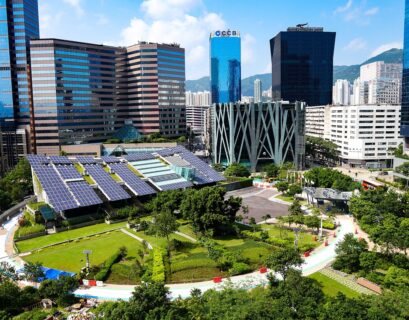
- Green Roofs and Walls: Green roofs and living walls provide insulation, reduce urban heat islands, and improve air quality.
- Sustainable Urban Planning: Integrated green spaces, parks, and tree planting are becoming central to urban development plans.
- Stormwater Management: Green infrastructure solutions, such as permeable pavements and rain gardens, manage stormwater and reduce runoff.
Prediction: Urban areas will increasingly incorporate green infrastructure, leading to more sustainable and resilient cities.
6. Policy and Regulatory Advancements
Government policies and regulations play a crucial role in driving green real estate forward. Anticipated changes include:
- Stricter Building Codes: Enhanced building codes will mandate higher energy efficiency and sustainability standards.
- Carbon Pricing: Carbon pricing mechanisms will incentivize reductions in greenhouse gas emissions.
- Green Building Incentives: Continued support for green building certifications and incentives will encourage further adoption of sustainable practices.
Prediction: Policy and regulatory frameworks will become more rigorous, guiding the green real estate sector towards higher sustainability benchmarks.
7. Increased Investment in Green Real Estate
As the benefits of green real estate become more evident, investment in sustainable properties is on the rise. Factors driving this trend include:
- Higher Returns: Green buildings often attract premium rents and higher occupancy rates, offering attractive returns for investors.
- Risk Mitigation: Sustainable properties are less vulnerable to regulatory and environmental risks.
- Corporate Social Responsibility: Companies are increasingly investing in green real estate to align with their sustainability goals.
Prediction: Investment in green real estate will continue to grow, with institutional investors and corporate buyers leading the charge.
Conclusion
The future of green real estate is dynamic and promising, with significant advancements on the horizon. From net-zero buildings and smart technology to urban greening and sustainable materials, the trends shaping the industry reflect a broader commitment to environmental responsibility and occupant wellbeing. As these trends evolve, they will not only transform the real estate landscape but also contribute to a more sustainable and resilient future.
Embracing these trends and predictions will be key for stakeholders looking to stay ahead in the green real estate market. By investing in and advocating for sustainable practices, we can ensure that the future of commercial real estate is both innovative and environmentally responsible.