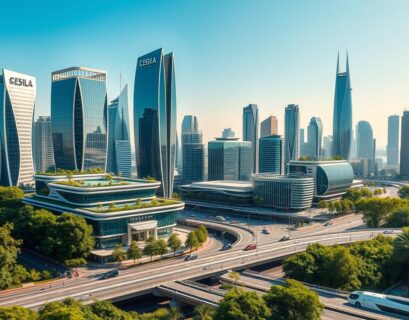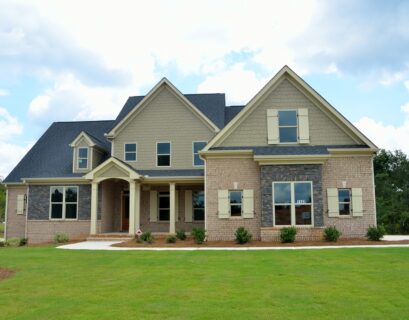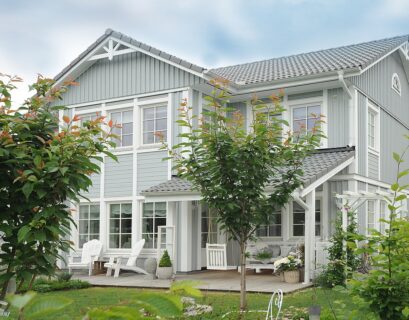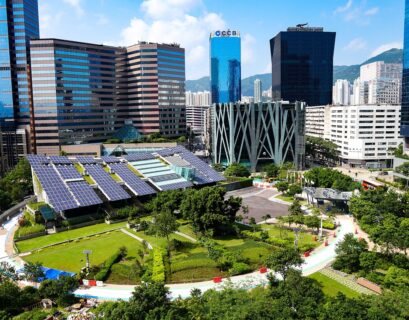

Sustainable design is transforming the real estate market, and its influence on property value is becoming increasingly evident. As environmental concerns and energy efficiency take center stage, sustainable design elements are not just enhancing the appeal of properties—they’re also driving their market value. In this blog, we’ll explore how sustainable design impacts property value, the benefits it brings, and why investing in green features can be a smart financial decision.
1. Increasing Demand for Green Buildings
The growing awareness of environmental issues and the demand for greener living and working spaces are driving the real estate market. Buyers and tenants are increasingly seeking properties that align with their values, leading to:
- Higher Demand: Properties with sustainable features are in high demand, particularly among environmentally conscious consumers.
- Premium Pricing: Green buildings often command higher prices and rents due to their perceived value and benefits.
Impact on Value: Properties with sustainable design features typically experience increased demand, allowing owners to command higher prices and rents.
2. Enhanced Energy Efficiency
One of the most significant impacts of sustainable design on property value is the improvement in energy efficiency. Sustainable buildings are designed to reduce energy consumption through:
- High-Performance Insulation: Advanced insulation materials and techniques lower heating and cooling costs.
- Energy-Efficient Windows: Low-E glass windows minimize heat loss and gain, contributing to reduced energy bills.
- Renewable Energy Systems: Solar panels and other renewable energy sources further decrease utility expenses.
Impact on Value: Energy-efficient properties often have lower operating costs, which can lead to higher net operating income (NOI) and increased property value.
3. Lower Operating Costs
Sustainable design not only reduces energy and water usage but also leads to lower maintenance costs. Features contributing to reduced operating costs include:
- Durable Materials: Sustainable buildings often use high-quality, durable materials that require less frequent maintenance and replacement.
- Water-Efficient Fixtures: Low-flow toilets, faucets, and irrigation systems reduce water consumption and utility expenses.
Impact on Value: Lower operating costs enhance the attractiveness of a property to investors and tenants, potentially increasing its value and return on investment (ROI).
4. Improved Marketability and Tenant Appeal
Properties with sustainable design elements stand out in a competitive market. Key factors include:
- Health and Wellness: Sustainable design often incorporates features that improve indoor air quality and overall occupant health, such as better ventilation and non-toxic materials.
- Aesthetic Appeal: Green design elements, like green roofs and natural lighting, can enhance the aesthetic appeal of a property.
Impact on Value: Enhanced marketability and tenant appeal can lead to higher occupancy rates, lower turnover, and increased rental income.
5. Long-Term Resilience and Future-Proofing
Sustainable buildings are designed to be more resilient to environmental and regulatory changes. Features contributing to long-term resilience include:
- Climate Adaptation: Sustainable design often includes measures to mitigate the effects of climate change, such as flood-resistant materials and energy-efficient cooling systems.
- Regulatory Compliance: Green buildings are often ahead of regulatory requirements, reducing the risk of future compliance costs.
Impact on Value: Properties that are resilient and future-proofed are likely to retain or increase their value over time, making them a safer investment.
6. Green Certifications and Market Value
Green certifications, such as LEED (Leadership in Energy and Environmental Design), play a significant role in influencing property value. These certifications validate the sustainable features of a building and can include:
- LEED Certification: Recognized globally, LEED certification can enhance a property’s reputation and marketability.
- BREEAM and ENERGY STAR: Other certifications also contribute to increased property value by demonstrating commitment to sustainability.
Impact on Value: Properties with recognized green certifications often command higher market values and attract premium tenants.
7. Corporate Social Responsibility (CSR) and Investor Appeal
Corporations and institutional investors are increasingly focusing on sustainability as part of their CSR strategies. Sustainable design can attract these investors due to:
- Alignment with CSR Goals: Properties that meet sustainability criteria align with corporate CSR objectives and appeal to socially responsible investors.
- Enhanced Reputation: Investing in green properties enhances the reputation of corporations and investors committed to sustainability.
Impact on Value: Properties that align with CSR and sustainability goals are more attractive to institutional investors, potentially leading to higher valuations and increased investment.
Conclusion
Sustainable design is proving to be a powerful driver of property value in the real estate market. From increasing demand and energy efficiency to lowering operating costs and enhancing marketability, the benefits of green building practices are substantial. As environmental concerns and sustainability become central to property investment decisions, integrating sustainable design features is not just a trend—it’s a smart financial strategy.
Investing in sustainable design enhances the long-term value of properties and positions them as desirable assets in a competitive market. By adopting green building practices, property owners and investors can enjoy significant financial benefits while contributing to a more sustainable future.